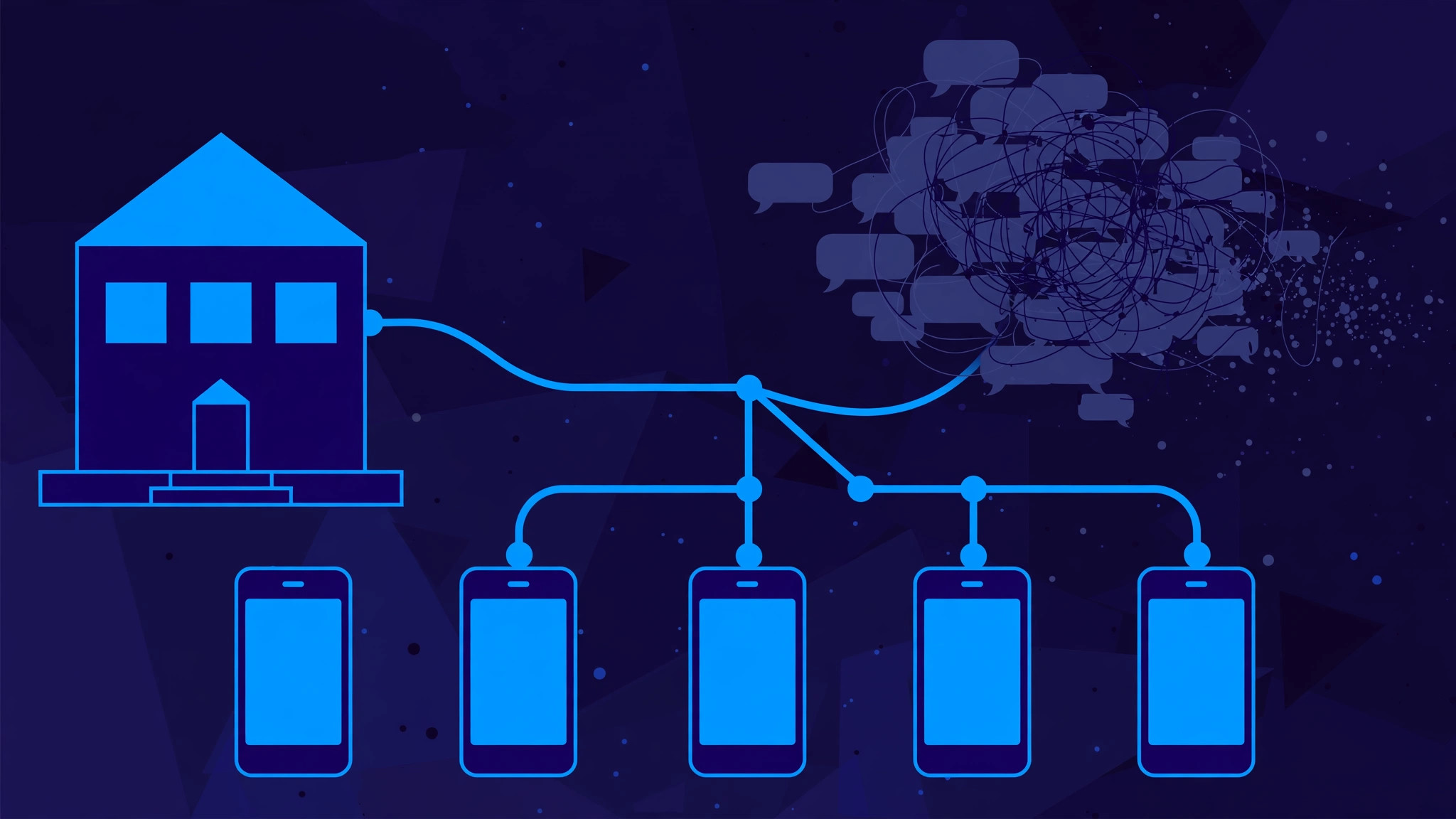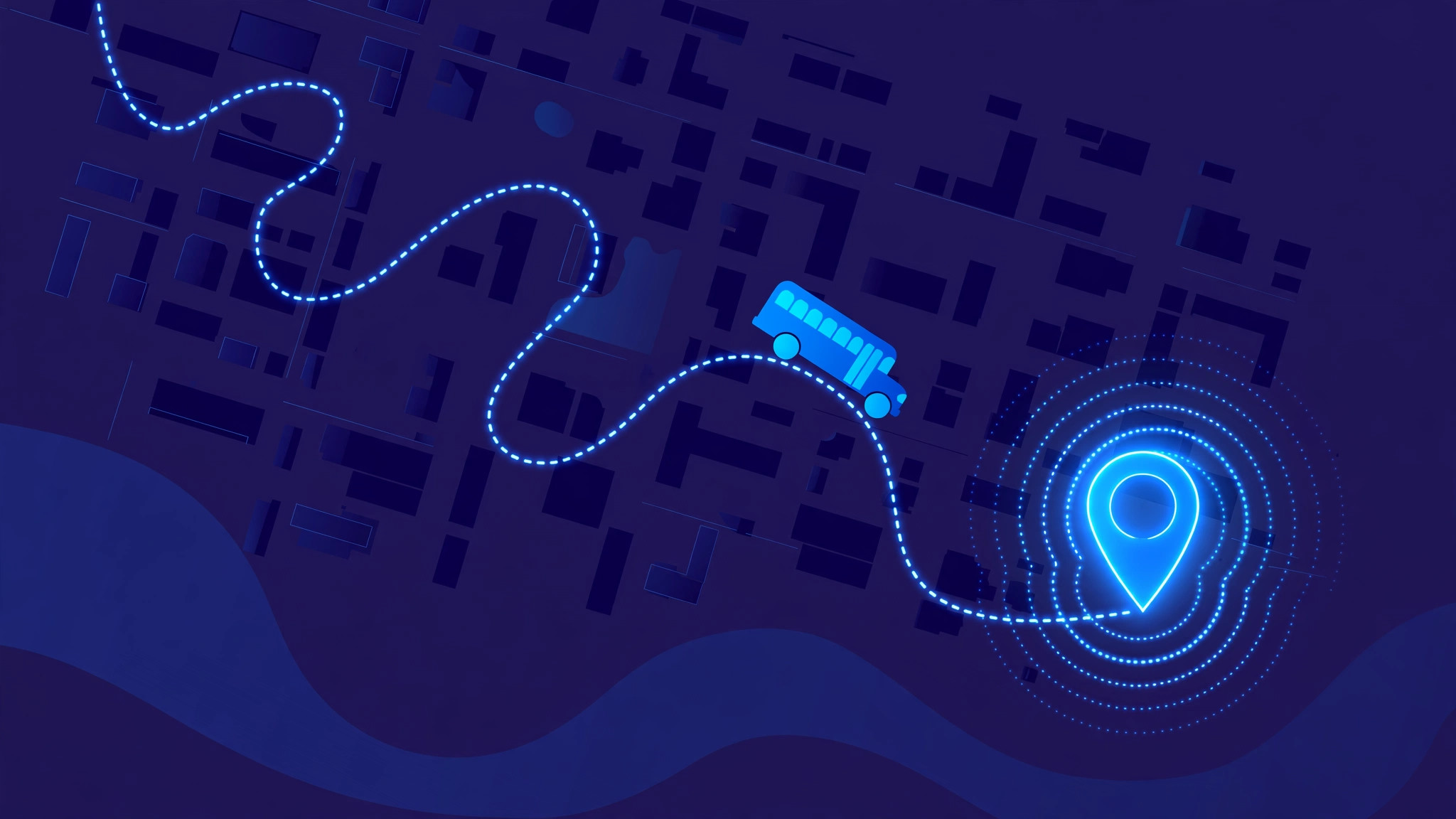
Every school morning, at about 7:30, the same question travels from hundreds of homes to one school office: "Where is the bus?" The parent is standing at the gate with a child, and nobody knows whether the bus is two minutes away or stuck in traffic. Live GPS bus tracking answers that question before it is asked. The bus appears on a map in the parent's phone, with an arrival time for their stop, and the school office sees the whole fleet on one screen. Here is how Connectedu does it.
The 7:30 AM phone call
Without tracking, the morning runs on guesswork. Parents send their children to the stop early, just in case, and children wait on the road in the rain. When the bus is late, parents call the school — forty calls at once, and the office knows no more than the parent does. The answer is always the same: "It should be there soon."
The school loses time, the parent loses patience, and the child loses the habit of trusting the bus. A bus that cannot be seen feels unreliable even when it is only five minutes late. And when something genuinely goes wrong — a breakdown, a closed road, a substitute driver on an unfamiliar route — the school hears about it from angry parents instead of from its own system.
How the bus gets on the map
There are two ways to track a school bus. The first is a GPS device fitted in the bus, wired in with its own SIM card. It works, but every bus needs hardware, installation and a data plan. The second way, the one most Indian schools now use, is the driver's phone. The driver opens the Connectedu app, starts the morning pickup trip, and the phone shares its GPS position every few seconds while the trip runs. When the trip ends, sharing stops.
Before the first trip, the school sets up the route once: the ordered list of stops, each with its place on the map and its expected time, and the children assigned to each stop. As the bus moves, each position is sent to the server with the bus's speed and direction. The server matches it against the route, works out which stop is next, and calculates the arrival time from the live speed and the distance left.
What parents actually see
A parent opens the Connectedu parent app and sees one thing: their child's bus, moving on a map, with their stop marked and an arrival time next to it. Not the whole fleet — just their child's bus. The screen also shows how many stops away the bus is, so a parent knows whether to leave now or wait ten minutes.
Before the bus reaches the stop, the parent gets an alert: the bus is near, it will arrive in about ten minutes. That single alert is the feature parents use most: no child waits on the road, no parent stands at the gate for half an hour. If the bus runs late, a second alert goes out with the new arrival time, so the parent is never left wondering whether the bus has already passed. The alerts arrive on the channel the parent actually reads — an app notification, WhatsApp or SMS.
Boarding and drop-off: knowing your child is on the bus
Location answers "where is the bus?" but parents really want to know something else: "Is my child on it?" The driver or attendant marks each child boarded at pickup and dropped in the afternoon. The moment a child is marked boarded, the parent gets a confirmation. The moment the child is dropped, another one arrives.
This record settles the two worries every parent has had: the child marked absent at school when they were actually on the bus, and the child who got off at the wrong stop. With boarding records tied to the route, the school can see exactly who is on which bus, and the parent sees the confirmation within seconds.
What the school office sees
While parents see one bus, the school office sees all of them. The transport dashboard shows every running bus on a single map, with its next stop and its position against the schedule. A late bus is flagged automatically, so the office knows before the first parent calls.
A breakdown is visible the moment the bus stops moving off-route, and the office can send a substitute bus and a delay message to just that route's parents in one step — instead of fielding a queue of calls. A driver who goes off-route is flagged, and so is a bus speeding past the school's limit. Every trip is also recorded: where each bus went, when it reached each stop, how long it waited. When a parent says "the bus never came", the office can check the record instead of arguing from memory.
Privacy: only your child's bus
Live tracking of children raises an obvious question: who can see what? Location is shared only while a trip is running — before the first pickup and after the last drop, nothing is tracked. Each parent sees only the buses their own children ride, never another family's bus. Drivers see the children's names and classes on their route, not the parents' phone numbers. The alternative — a public link, or a WhatsApp group where the driver shares a live location — leaks the children's movements to anyone with the link.
Frequently asked questions
Do we need to buy GPS devices for our buses?
No. With Connectedu, the driver's phone is the tracker. The driver starts the trip in the app and the phone shares its position while the trip runs. Schools with certified GPS devices, or whose state rules require one, can use those alongside the app — but no hardware purchase is needed to start.
What exactly does a parent see?
Their own child's bus moving live on a map, their stop marked, the expected arrival time, and how many stops away the bus is — plus alerts when the bus is near, when their child boards, and when their child is dropped, and a delay notice if the bus runs late.
What happens when the bus is late?
The system recalculates the arrival time from the bus's live speed and position, and sends the route's parents a delay alert with the new time. The school office sees the delay too, so it can message the parents or send a substitute bus without waiting for calls.
Does bus tracking help with safety rules?
Yes. CBSE guidelines ask affiliated schools to fit GPS and CCTV in school buses, with speed governors and an attendant on board. Tracking covers the GPS part, and the same system records speed, route deviations and boarding — so the school has a record, not just a promise.
Talk to us about bus tracking for your school
If your school office still spends every morning answering "where is the bus?", the fix is a map, not more phone lines. Talk to InRay Labs and see how Connectedu puts live GPS bus tracking, boarding alerts and the whole fleet on one screen.