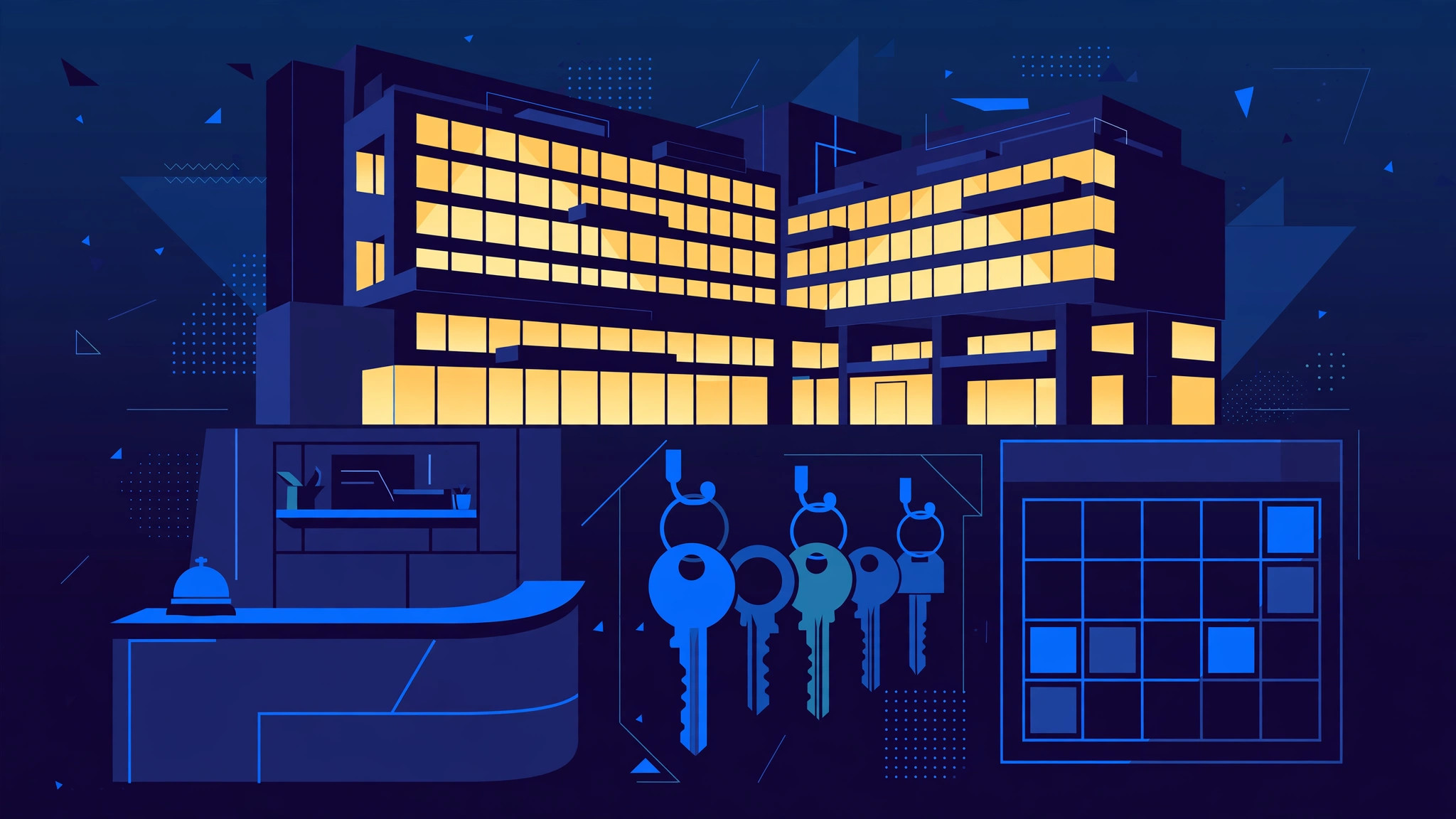
A coworking space sells the same square metres many times over: a hot desk to a freelancer in the morning, a meeting room to a startup at noon, a private cabin to a team for the month. Coworking space software is the system that keeps all of that straight — one live record of every desk, every member, every booking and every bill, so the front desk, the door and the accounts all agree, and nobody is ever sold a desk that is already taken.
The space as inventory: floors, desks and rooms
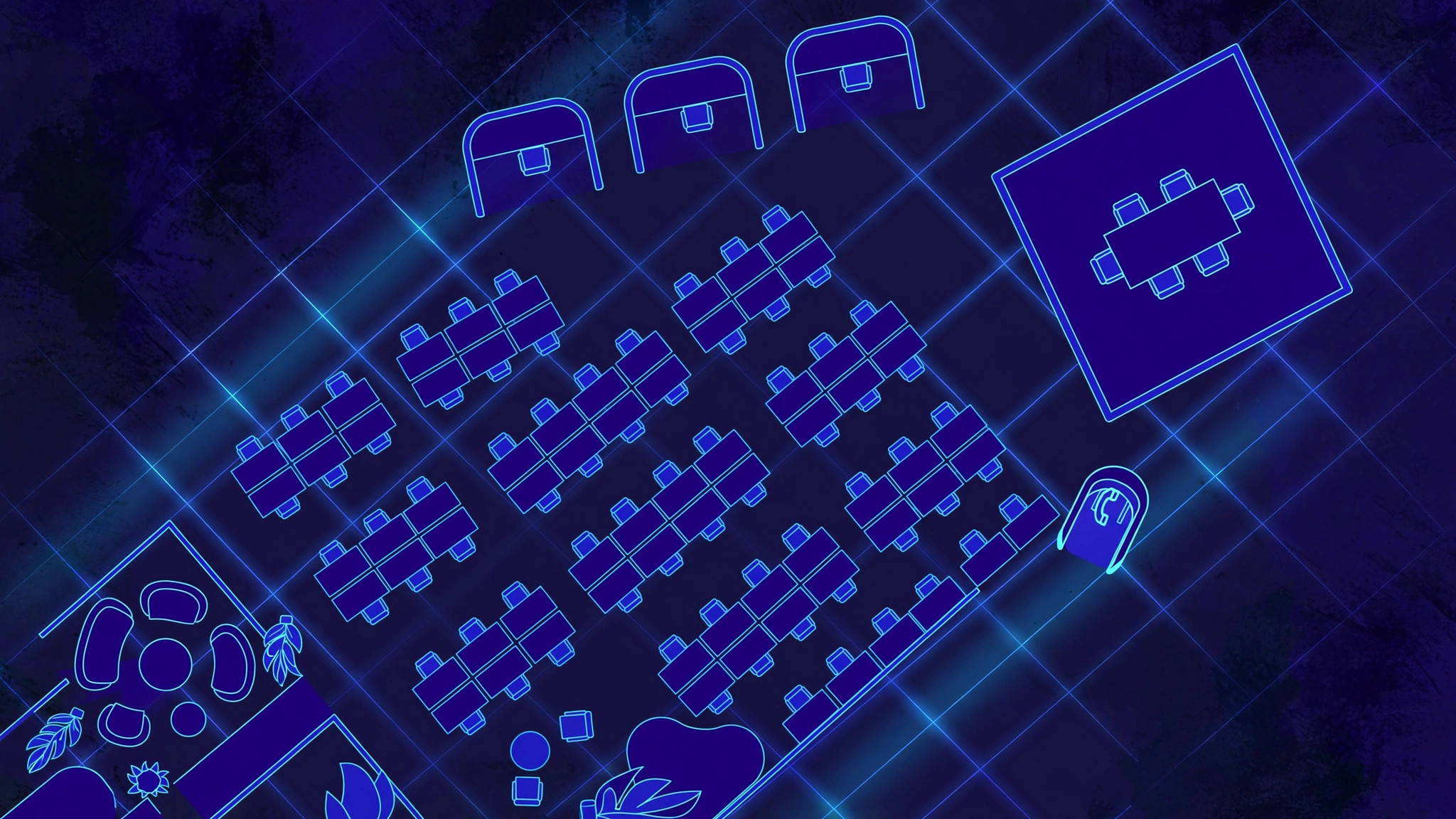
Everything starts with the space itself. The software holds a map of the building as a hierarchy: floors, zones, cabins, desks, meeting rooms, phone booths, lockers and parking bays. Each item is a bookable unit, with its own capacity, its own price, and rules about which plans can use it.
This inventory is the single source of truth. When a desk is marked out of order, it stops appearing as bookable; when a cabin is reserved for a team, it is gone from the public list. The operator sees the whole floor as a live map, with colours showing what is free, booked or occupied — and members book from the same map, so two members can never book the same desk at the same time.
Membership plans: hot desks, dedicated desks and day passes
A coworking space does not have one product. It has several, running side by side. A day pass buys one day at any open desk. A hot desk membership buys flexible access for the month — any free desk, first come, first served. A dedicated desk is the same desk every day, with a lockable drawer. A private cabin is a lockable room for a team. Some spaces add virtual office plans, which sell a business address and mail handling with no desk at all.
The software keeps each plan as a template: its price, its billing cycle, its included meeting room hours, whether it allows 24-hour access, and its guest allowance. When a member signs up, the plan becomes their record — start date, renewal date, deposit, documents — and every booking and bill is tied to it.
Plans change constantly. A freelancer upgrades from a day pass to a monthly hot desk; a startup grows from two dedicated desks to a cabin. The software handles upgrades, downgrades, freezes and exits in a few clicks, prorating the bill so the member pays only for the days on each plan.
Booking without double-booking
Booking is where most spaces break without software. A member books a meeting room for a client call, another books the same room for a workshop, and the front desk finds out when both arrive. The software checks every booking against the live inventory before confirming it, and enforces each plan's rules — how far ahead a member can book, how many free hours they get each month, and when the booking window closes.
Included hours and extra hours are tracked separately. A plan that includes four meeting room hours a month lets the member use those four for free, and charges for the fifth. A flexible plan might give ten desk days a month, and the software counts each day used. A room freed up with enough notice goes back on the market immediately, and a late cancellation can cost a fee or a credit.
Billing: invoices that build themselves
Manual billing is where most coworking revenue leaks. A member's month mixes a recurring plan fee, extra room hours, printing and a day pass for a colleague — and if any of it is typed by hand, something gets missed. The software builds each invoice from the records it already holds: plan fee, extras and credits, with nothing re-typed.
Invoices go out on schedule, every month, with tax calculated correctly — GST in India, VAT elsewhere — and a payment link or QR code attached so the member can pay by UPI or card. When the payment lands, the invoice is marked paid automatically. Overdue balances show up on one screen, with reminders sent by WhatsApp, email or SMS.
Deposits are part of the same ledger. A refundable security deposit is recorded when the member joins and returned — or adjusted against final dues — when they leave.
Access control: the door knows the plan
A coworking space is open long after the front desk goes home. Access control ties the member's plan to the building itself. A member gets a keycard, a PIN or a phone-based entry pass, and the door system checks it against their live membership: a day-pass holder gets in today only, a monthly member gets in around the clock, and a member whose payment is overdue can be locked out until the bill is settled. When a member leaves, their access stops the same day.
The numbers the operator watches
Occupancy is the number that decides whether a space makes money. The software shows which desks, cabins and rooms are in use, which sit empty, and which types of space fill fastest. A floor that is always full at 10 a.m. but empty after 6 p.m. suggests evening passes; a meeting room booked solid suggests raising its rate or adding another.
The same reports track dues, renewals and churn. Which members renew this month? Who has not visited in three weeks and might be about to leave? How much revenue came from plans, and how much from extras? A space that can answer those questions from its dashboard can price, promote and expand with confidence.
Frequently asked questions
What is coworking space software?
It is one system that manages members, desks, meeting rooms, bookings, bills, payments, visitors and door access for a shared office — so the front desk, the door and the accounts all work from the same live record.
What is the difference between a hot desk and a dedicated desk?
A hot desk is any free desk in the open workspace, first come, first served — you sit somewhere different each day. A dedicated desk is your own reserved desk, in the same spot every day, usually with lockable storage.
How does billing work in a coworking space?
The software generates a monthly invoice from the plan fee plus extra usage — additional meeting room hours, day passes and printing — with tax included, and sends it with a payment link. Payments are matched to invoices as they land, and overdue balances trigger reminders.
Can members book desks and meeting rooms themselves?
Yes. Members book from an app or a member portal, seeing live availability on a floor map. The software checks each booking against the live inventory and the member's plan, so double bookings cannot happen and included hours are tracked.
Talk to us about software for your space
If your desks, bookings and bills still live in three different places — a spreadsheet, a WhatsApp group and a paper visitor register — the admin is growing faster than the membership. Talk to InRay Labs and we will show you how one connected system can run the whole space, from the front door to the monthly invoice.