Taxi dispatch software is the system that turns a tap on a phone into a car at your door. Behind that one tap sit three apps — rider, driver and dispatcher — connected by a matching engine, a pricing engine and a live map. A rider asks for a car, the software finds the best available driver nearby, agrees a price, and tracks the trip until the rider is dropped off and paid up.
Three apps, one system
Every taxi dispatch platform is really three products working together. The rider app handles the request: pickup point, destination, vehicle type and payment method. The driver app handles the supply side: drivers go online when they are ready to work, receive trip offers, navigate to the pickup and mark the trip complete. The dispatcher console is the operator's view: a live map of every driver and trip, with tools to reassign a ride, message a driver or adjust prices in a zone.
Underneath sits a set of services: a location service ingesting GPS positions every few seconds, a matching service, a pricing service, a trip service tracking each trip through its states — requested, matched, arriving, on trip, completed — and a payments service. The apps are the visible surface; these services do the work.
Finding the right driver: matching, not just nearest
Matching looks simple — send the nearest car — but nearest by straight-line distance is often the wrong answer. A driver 500 metres away across a river or a one-way system can take ten minutes to reach the pickup, while a driver a kilometre away on the right road takes two. Dispatch therefore ranks drivers by estimated arrival time on real roads, using live traffic and historical travel times.
To find candidates fast, the map is divided into small cells. Each cell has an ID, and the software keeps an index of which available drivers sit in which cell. A request looks up the rider's cell and its neighbours instead of scanning every driver in the city — that is what keeps the match under a second even with thousands of cars online.
Busy areas add one more step: batching. Instead of matching each request the instant it arrives, the system collects requests for a few seconds and solves the assignment for the whole batch at once, so one rider does not steal the only nearby car and leave another stranded.
Once a driver is chosen, the offer goes out with a short clock, usually 10 to 15 seconds. If the driver declines or the clock runs out, the offer moves to the next driver on the list. The driver is locked to that trip the moment they accept, so two riders can never be promised the same car.
Surge pricing: balancing supply and demand
When more people want rides than there are cars nearby, prices rise. That is surge pricing, and it works per zone, not city-wide. The city is split into small areas, and every few minutes the pricing engine compares the number of ride requests with the number of available drivers in each area. When demand outruns supply, a multiplier is applied to the fare — say 1.5x — and it falls again as drivers move into the area or demand drops.
The multiplier does two jobs at once. It tells riders the honest cost of a scarce car right now, and it pulls drivers towards the busy zone, because a driver earns more per trip there. Good systems cap the multiplier, show it clearly before the rider confirms, and let operators override it during a festival or a storm, when a runaway price would damage trust.
The base fare itself is built from the route: distance and expected travel time from a mapping service, plus the operator's base rate, per-kilometre and per-minute charges, tolls and any booking fee.
Live tracking: the map that never lies
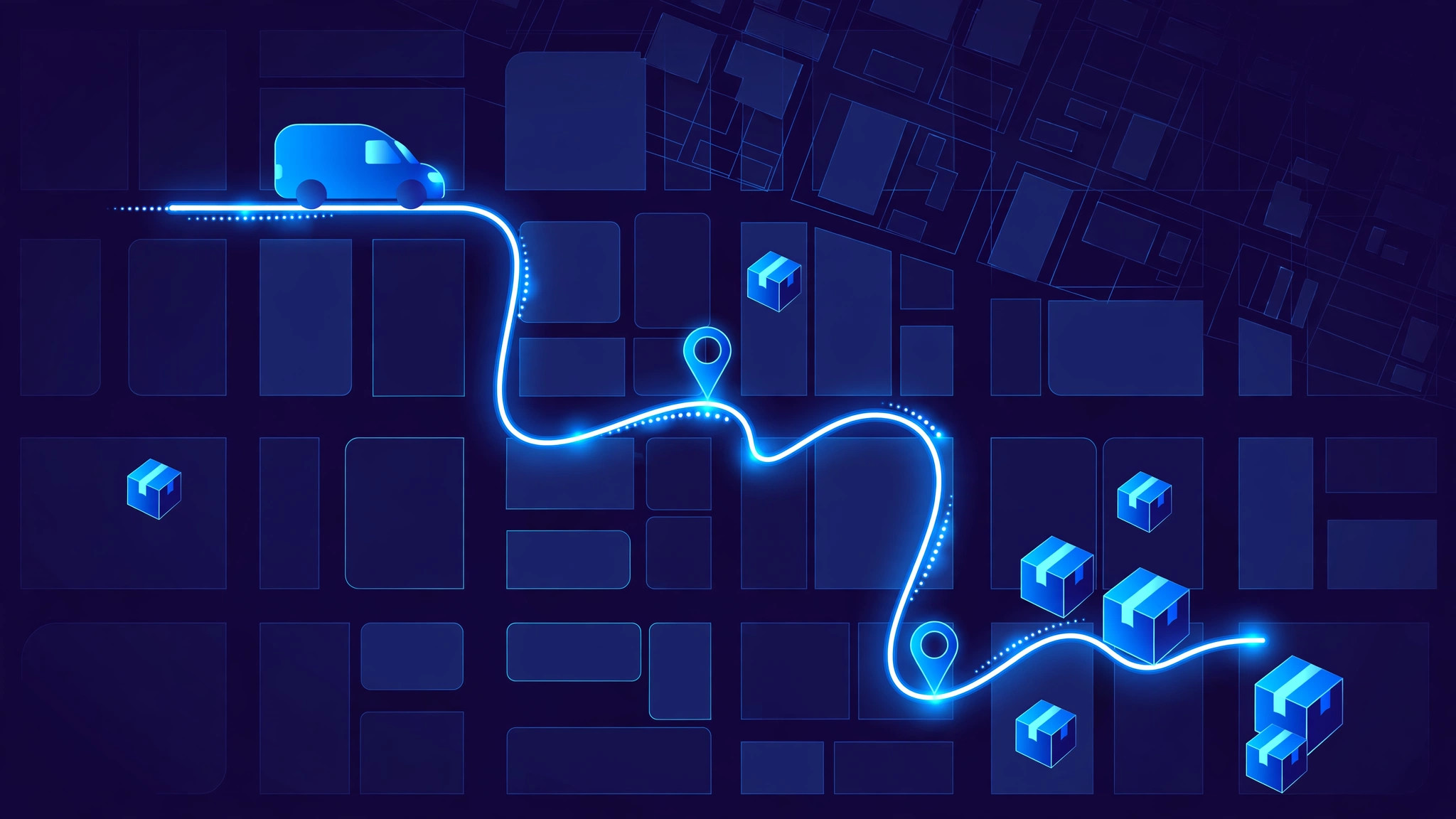
After the match, both sides watch the same live map. The driver app streams its GPS position every few seconds, and the rider app draws the car moving towards the pickup pin, with an arrival time that updates as traffic changes. That arrival time is recalculated continuously from the driver's real position and current road conditions, not from the estimate made at booking.
Live tracking is also a safety layer. The trip is recorded end to end — route, speed, stops and duration — so a dispute about a fare or a route can be checked against the record. Many platforms add a share-trip link, an emergency button and an in-app call that masks both phone numbers.
Payments, ratings and the loop that keeps quality up
When the trip ends, the driver marks it complete and the fare is charged to the rider's saved card, wallet or cash. The receipt is generated automatically, the driver's earnings are credited, and any commission or platform fee is split out in the same step. Both sides then rate each other, and those ratings feed straight back into matching: consistently low-rated drivers get fewer offers, and riders with a history of no-shows can be flagged.
The dispatcher console: humans in the loop
Automation handles the normal case, but a fleet still needs a human watching the map. The console shows every driver and trip live, flags trips that breach their service level — a driver who has not moved, a pickup taking too long — and lets an operator reassign the ride or message the driver.
Frequently asked questions
How long does taxi dispatch software take to match a driver?
Usually a few seconds. The matching engine looks up nearby drivers in a spatial index, ranks them by road-aware arrival time, and sends an offer to the top driver. If that driver declines, the offer moves to the next candidate, so most riders see a confirmed driver within 15 to 30 seconds.
Why does the price change when it rains or during rush hour?
Because demand rises faster than the number of available cars. Surge pricing raises the fare in the affected zone: it encourages drivers to head there and asks riders to pay the real cost of a scarce car. The multiplier falls as soon as supply catches up.
Why didn't I get the closest driver on the map?
Dispatch ranks drivers by estimated arrival time on real roads, not by straight-line distance. A car that looks close can be on the wrong side of a flyover or a one-way street, while a slightly further car on the right road reaches you sooner.
What happens if my driver cancels after accepting?
The trip returns to the matching engine automatically and is offered to the next best driver, usually within seconds. The console also flags repeated cancellations, so operators can see which drivers cancel often.
Build your taxi dispatch platform with InRay Labs
If you run a taxi fleet, a shuttle service or a ride-hailing startup and need dispatch software built around your city, your fares and your rules — matching, surge pricing, live tracking and payouts included — InRay Labs builds it. Talk to us about your dispatch platform and we will scope a system that fits how your fleet actually runs.